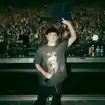
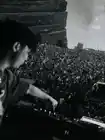
More importantly, the experience fundamentally changed his perception of the relationship between producers and audiences. “At a rap show, the crowd comes for the rapper, and the producer effectively fades into the background. Here, the room had come for the production itself. I’d stumbled into a corner of music I never knew existed, and by the end of the night I knew I had to find my way into it.”
He immediately began experimenting, teaching himself through YouTube tutorials and relentless trial and error. “I think I dropped something like 30 songs in 40 days with zero industry pressure attached, which might be the most creatively free I’ve ever felt.”
His SoundCloud flips quickly gathered momentum, eventually surpassing five million streams within a year. Reworks of familiar pop and hip-hop records became laboratories for developing his distinctive sound. “Flipping other people's records taught me the technical stuff: what makes a drop actually smack, how to treat a vocal, all of it. But more than that, it taught me what I actually gravitate toward in this space.”
Listener reactions became invaluable creative feedback. “SoundCloud lets listeners comment at specific timestamps, so if a lot of people were reacting to the same spot, I knew we were connecting there, and if nothing happened, I’d reopen the project and rework it.”
A significant breakthrough arrived when Subtronics downloaded his reworking of Flux Pavilions Bass Cannon and played it at a major show. Soon afterwards, management came aboard, and the possibility of a professional career became tangible. “Everything I’d planned for the next five years started happening in about two months. If I’m being honest, it all still doesn’t feel real sometimes.”